Teaching children about Islam starts at home. Daily habits shape belief more than occasional lessons. Children learn best through what they see, touch, and repeat. Islamic products used every day help turn faith into a natural part of life, not a separate activity. Parents often ask how to teach Islam in a way that feels simple and consistent. The answer is routine. When Islamic practices are woven into daily life, children absorb them without pressure. Products designed for Muslim children support this process quietly and effectively.
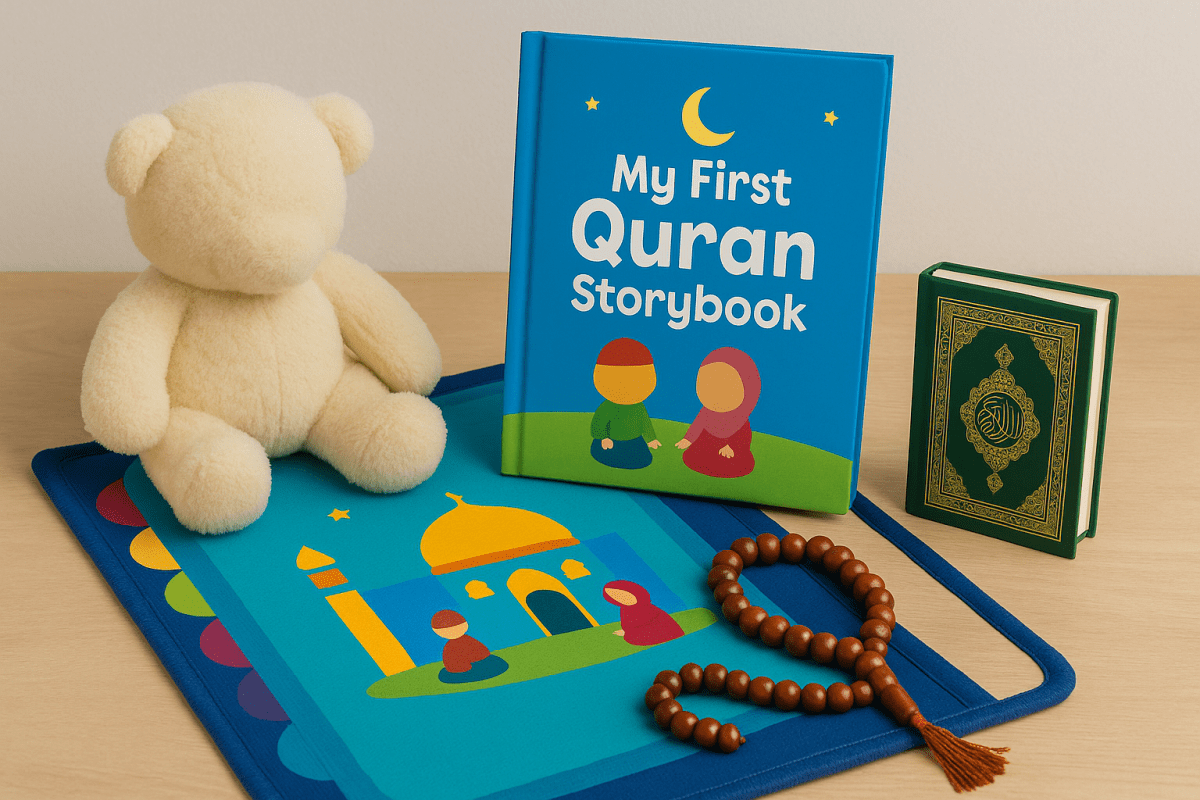
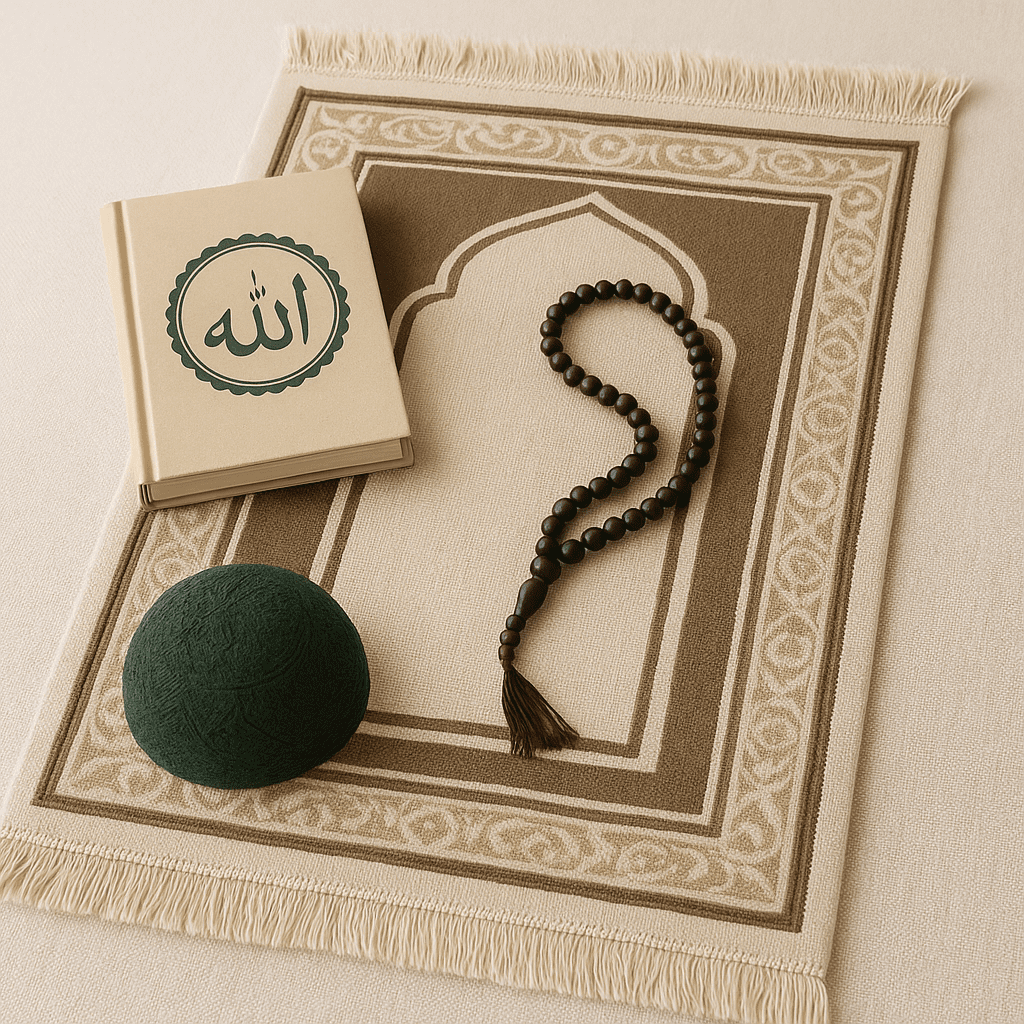
Prayer is one of the first pillars children observe. A child who sees parents pray regularly becomes curious. Giving a child their own prayer mat creates a sense of ownership. A small, colorful prayer mat placed next to a parent’s mat makes salah feel welcoming. The child learns when prayer happens, how often it happens, and that it matters.
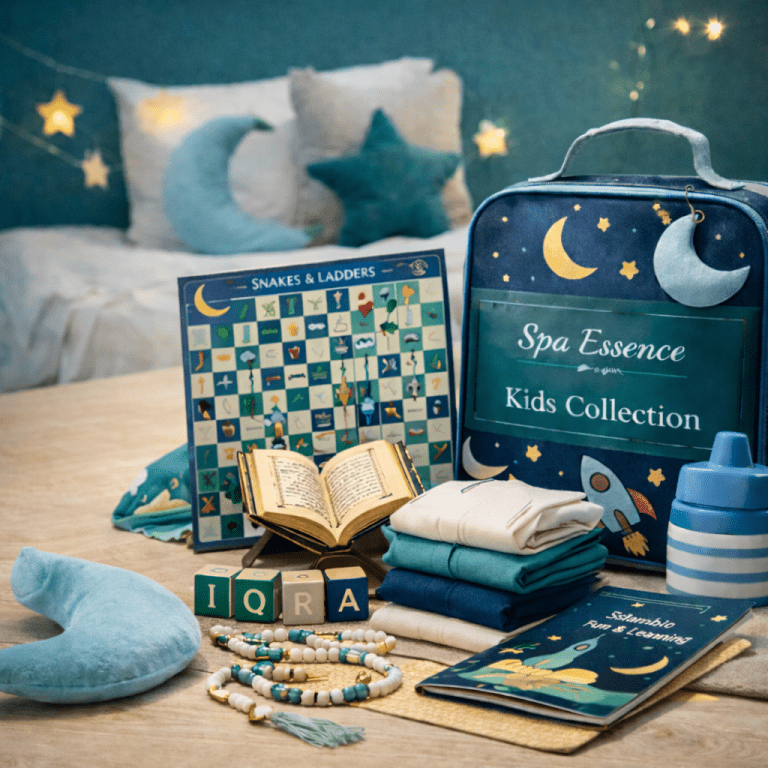
In many South African households, mornings are busy. School runs, work schedules, and traffic make time limited. Having a prayer mat ready in the home removes excuses. Even if a child does not pray fully, standing on the mat and copying movements builds familiarity. Islamic clothing also plays a role. Modest clothing for children is not about restriction. It is about identity. Simple abayas for girls or loose, respectful clothing for boys help children understand that Muslims dress with purpose. Wearing modest clothing for prayer or Islamic events creates a link between faith and self-respect.
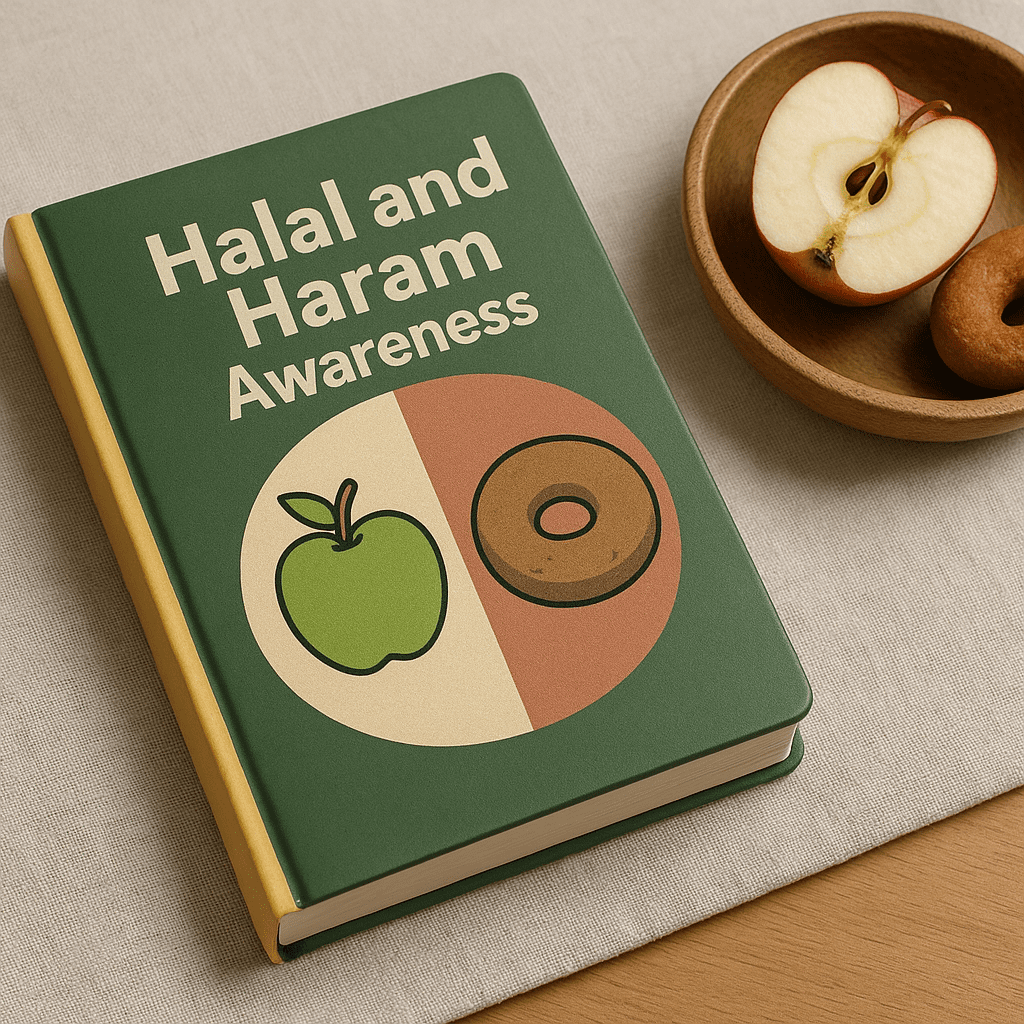
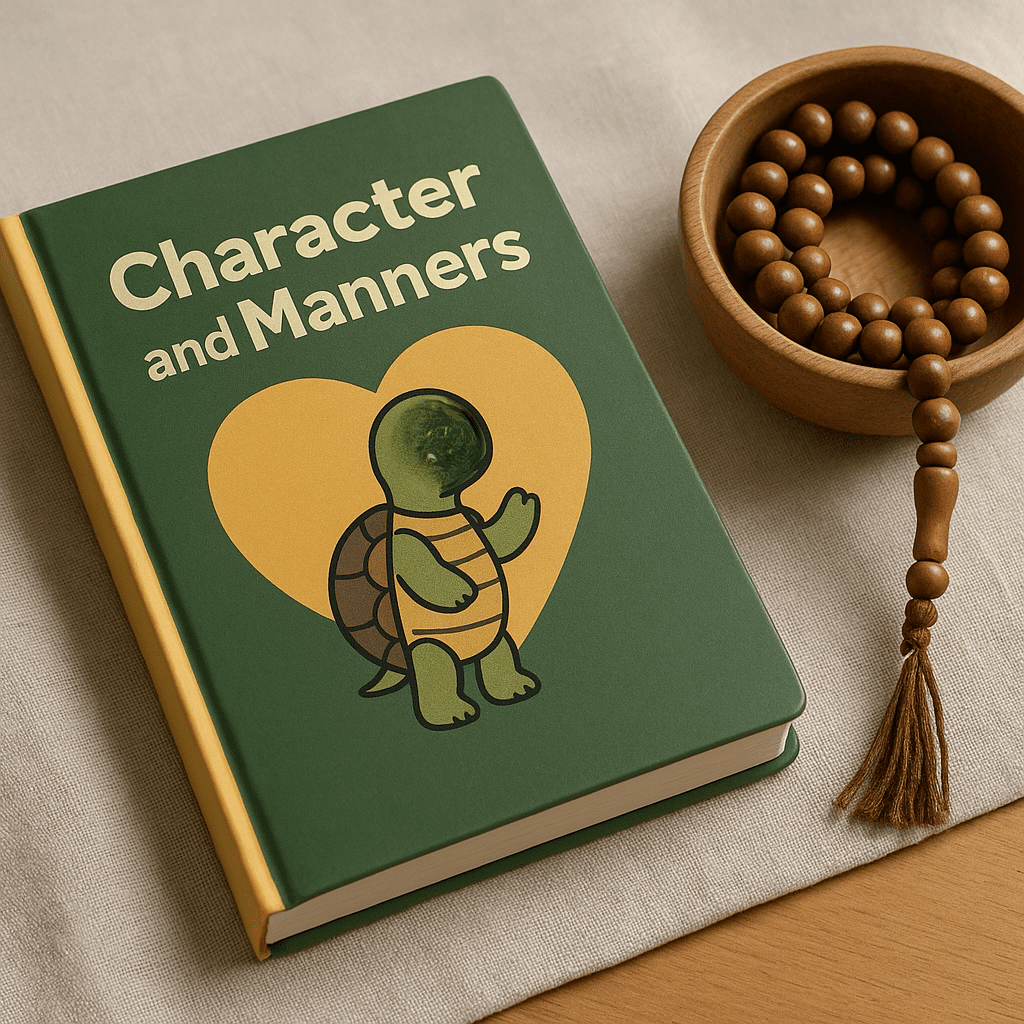
Children learn values through stories. Islamic storybooks are one of the strongest teaching tools. Stories about prophets, good character, honesty, kindness, and patience help children connect Islam to real life. A child may not remember a lecture, but they remember a story. Printed books are especially important. Physical books reduce distraction. They allow shared reading between parent and child. Reading together before bed builds bonding while reinforcing Islamic lessons. In homes across Johannesburg, Pretoria, Cape Town, and Durban, this simple habit creates long-term impact.
Tasbeeh designed for children helps introduce dhikr gently. Children enjoy counting beads. When parents explain simple phrases like SubhanAllah or Alhamdulillah, dhikr becomes meaningful. Even short sessions teach mindfulness and gratitude. Islamic wall charts, dua cards, and learning aids help visual learners. Children often remember what they see daily. A dua chart in the bedroom or a short dua near the dining table encourages repetition. Over time, children memorize without effort.
Daily Islamic products also support consistency during busy schedules. Parents do not need formal lessons every day. The products provide instruction quietly in the background. A prayer mat signals prayer time. A book invites reading. A tasbeeh encourages remembrance.
South African Muslim families live in diverse environments. Some children attend Islamic schools. Others attend public or private schools. In both cases, the home remains the foundation of Islamic learning. Daily products help maintain balance when children spend most of the day outside the home. Islamic products also help children feel confident in their identity. Children who understand their faith are less likely to feel confused or pressured. When Islam is normalized at home, children carry that confidence into school, sports, and social settings.
Teaching Islam through daily products is also age-sensitive. Younger children benefit from bright colors, soft textures, and short stories. Older children benefit from structured books, simple fiqh guides, and age-appropriate Quran translations. Choosing the right products matters. Parents should avoid overwhelming children. The goal is consistency, not quantity. One prayer mat, one storybook, and one daily habit are enough to start. Faith grows gradually.
Buying Islamic products for children should be intentional. Products should be authentic, durable, and suitable for daily use. Poor-quality items break easily and reduce interest. Trusted Islamic stores curate products that meet real needs.